More Crosses and Spirals
With the discovery of the rock sanctuary near Oslen Krivodol village, an informal debate arose on social media regarding its dating. For unknown reasons, the discovery was proclaimed a "Thracian rock-cult complex" similar to Begliktash, despite Begliktash lacking petroglyphs and Oslen Krivodol lacking megaliths.
Petroglyphs are absent from all known Thracian cult centers, yet petroglyphs do exist in neighboring Tsarevets and further south at Zasele.
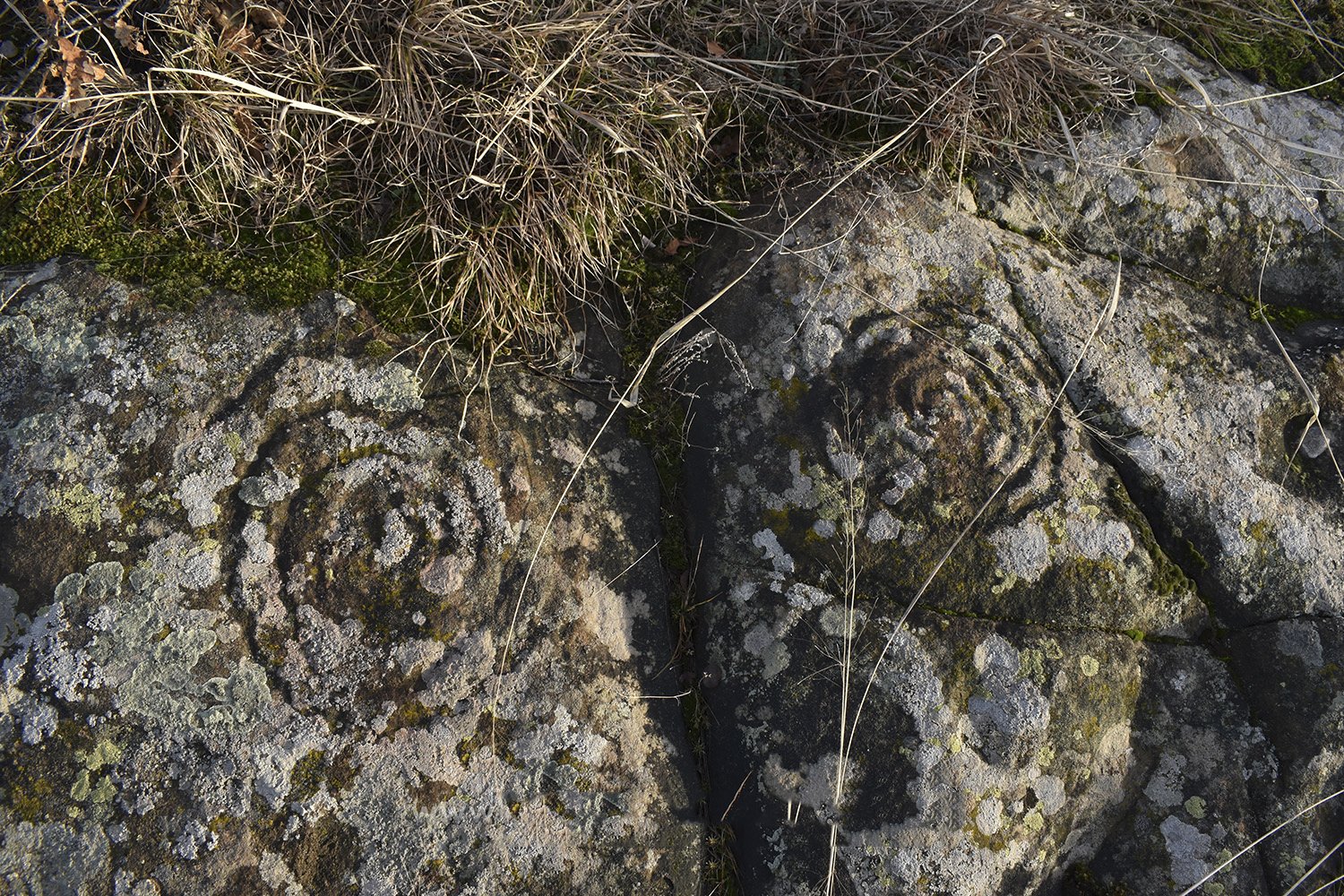
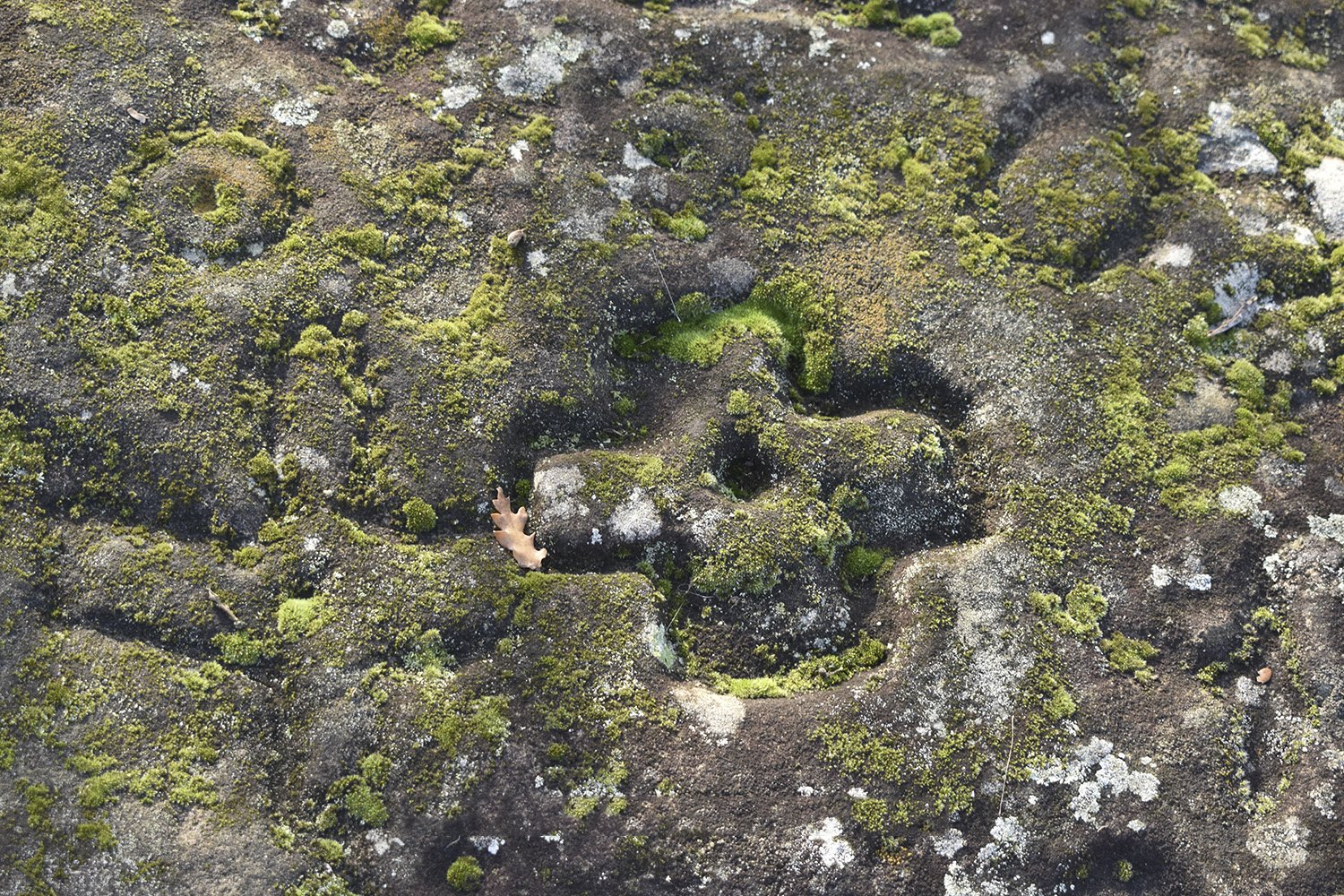
Where Else Are Similar Petroglyphs Found?
Archaeological analogies across Europe and the Mediterranean basin provide key clues for dating these motifs:
🇫🇷 France (Paris Region): An entire gallery exists displaying symbols similar to those at Tsarevets and Zasele (solar symbols, leaves, grid nets). Radiocarbon analysis of local archaeological finds dates most grid, parallel line, and net drawings to circa 5200 BC.
🇵🇹 Portugal: Petroglyphs, including spiral figures resembling those at Oslen Krivodol, discovered in Portugal, date to circa III-II millennium BC.
🇮🇹 Italy (Grotta dei Cervi - Badisco): Drawings mirroring the crosses of Oslen Krivodol are found in the famous Grotta dei Cervi ("Cave of the Deers") at Badisco, Apulia. They date between 6000 and 4000 BC.
Why Such Identical Images?
We must ask: "Why so far apart, and why such identical images?" There is no single answer yet, a question currently pondered by researchers worldwide.
Recently, Spanish researcher Luis Monteagudo Garcia published a study suggesting population migration from Anatolia and the Balkans westward during the Early Bronze Age (2700-2400 BC). He posits that migrating groups carried Linear A script symbols, which local European societies copied onto rock faces.
One fact is indisputable – at Oslen Krivodol we have another monument of the earliest prehistory of the region. Its comprehensive study is only just beginning!